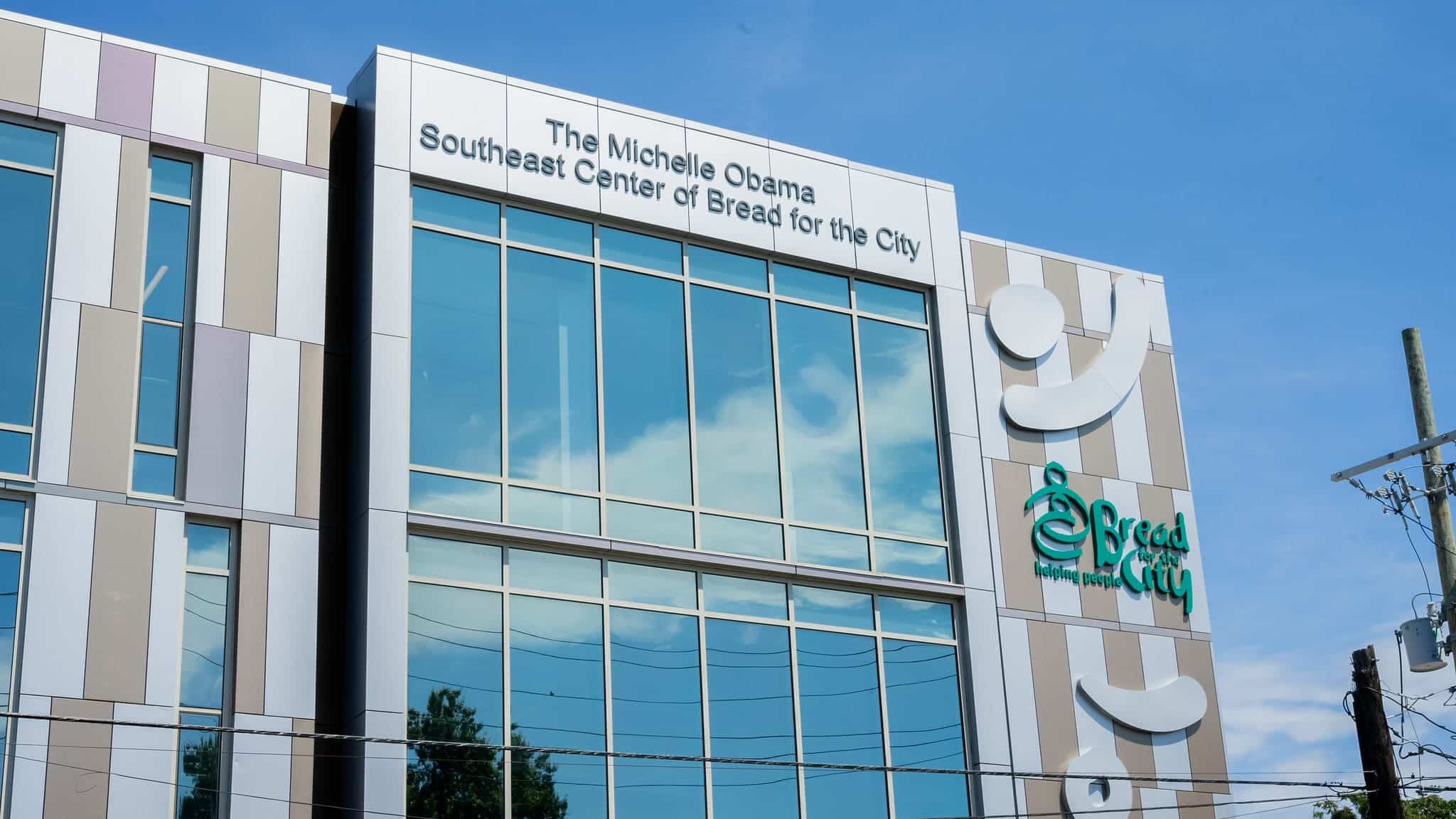
Economic Choice and Freedom: Preliminary Findings from Cohort 1 of the CashRx Program
Laura Brown’s Story
When Laura Brown was first introduced to CashRx, she was doing what so many people do to survive—working overtime, juggling rent, bills, and food, and hoping her health could wait. Living with diabetes, she knew what her body needed: medication and a carefully managed diet. But those were often the first things she had to cut when money ran short. After years of struggling to control her blood sugar while stretched too thin, Ms. Brown had grown used to making impossible choices between her health and her basic needs. Today, because of CashRx, she is no longer diabetic.
 The results speak for themselves. Preliminary evaluation findings by Bread for the City and our evaluation partners at the Urban Institute found that at their 12-month check-in, every CashRx participant reported significantly improved mental health. Two participants managing diabetes saw such dramatic improvements in their A1C levels that both are no longer diabetic. Across the program, participants reported greater food security, less housing-related stress, and a renewed ability to handle unexpected expenses. In short, economic security became healthcare.
CashRx is Bread for the City’s response to a truth that research has made clear for years: chronic illness cannot be treated without addressing the social and economic conditions that shape people’s lives. Funded by the Community Foundation’s Health Equity Fund, with generous support from the Diane & Norman Bernstein Foundation and the Hartfield Foundation, CashRx provides unconditional, no-strings-attached monthly cash payments to Bread for the City medical patients living with chronic health conditions. Working closely with each participant and Bread’s benefits attorneys, the Economic Security Team determined equity-based payment amounts tailored to individual needs. Participants are also connected to wraparound support through Bread’s medical, legal, food, and advocacy programs—because health doesn’t exist in isolation.
The results speak for themselves. At their 12-month check-in, every CashRx participant reported significantly improved mental health. Two participants managing diabetes saw such dramatic improvements in their A1C levels that both are no longer diabetic. Across the program, participants reported greater food security, less housing-related stress, and a renewed ability to handle unexpected expenses. In short, economic security became healthcare.

For Ms. Brown, the changes were immediate and deeply personal. The pescatarian diet that helped her manage her diabetes became affordable again. Medications she had gone without were no longer out of reach. But CashRx didn’t just stabilize her health—it gave her back time. Instead of working every possible hour, Ms. Brown enrolled in Bread’s Advocacy Institute, graduated, and became a powerful voice for her community. She has spoken on guaranteed income panels and organized against the elimination of DC’s Circulator buses. Today, much of her CashRx support helps her care for her mother, who lives with lupus. The program gave Ms. Brown something she hadn’t had in years: real choices.
CashRx is intentionally small, currently serving just 14 participants. That scale allows us to center individual experiences while contributing to a broader shift in how we talk about economic support and social safety net programs. By pairing strong health outcome data with the lived stories of participants like Ms. Brown, CashRx challenges harmful stereotypes about people living on low incomes. These stories reinforce what research consistently shows: when people are trusted with resources and barriers are removed, they invest in their health, their families, and their communities. Sometimes, the most powerful prescription isn’t a pill—it’s having enough to eat well, rest, and plan for a future beyond tomorrow.
Explore the findings from our first CashRx cohort study, conducted in collaboration with the Urban Institute here.
Related Posts
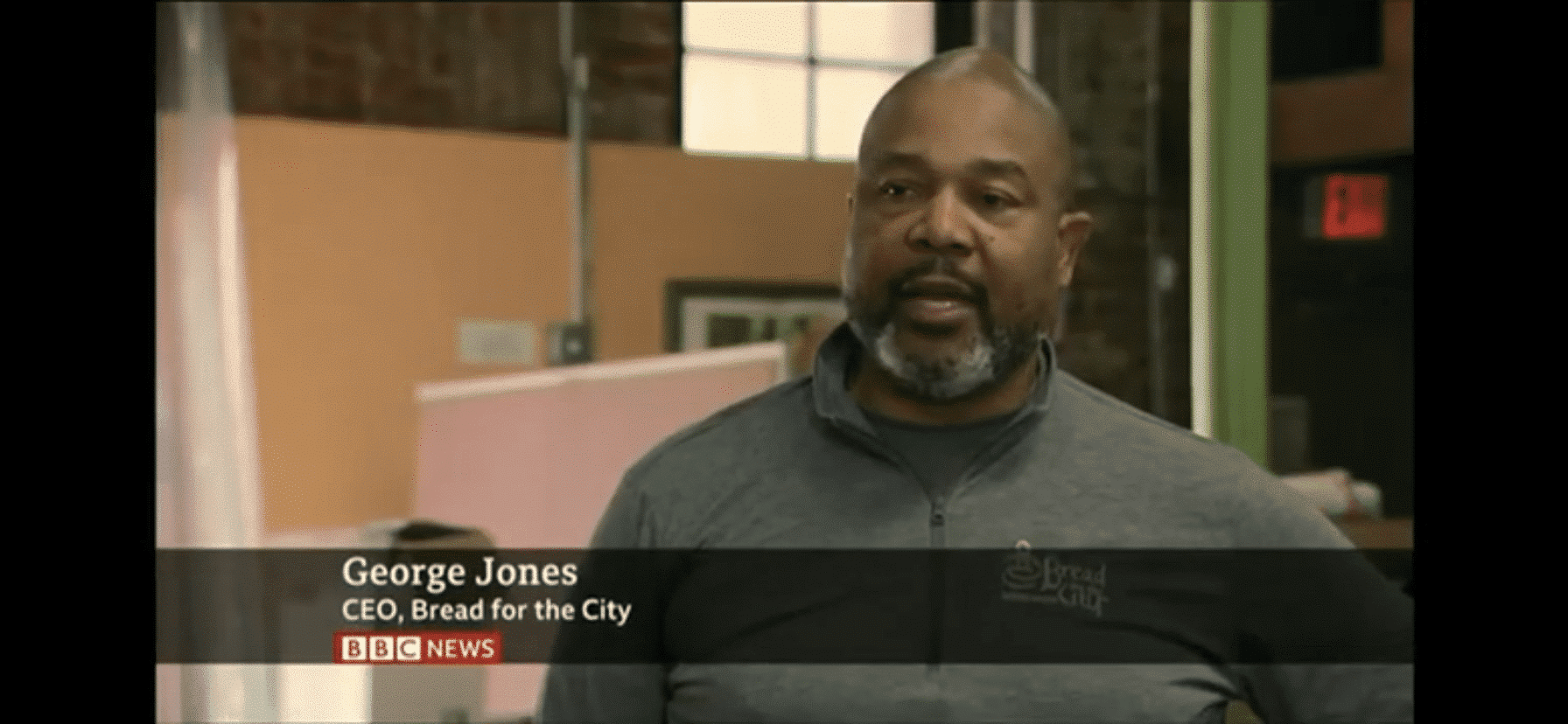
BBC News interviews Bread for the City CEO George Jones
BBC News interviews Bread for the City CEO George Jones about the impact of the pandemic in Washington, DC.

George Jones Honored By DC Office of Human Rights
Next month, our CEO, George A. Jones will receive the DC Office of Human Rights' Cornelius R. "Neil" Alexander Humanitarian Award for his efforts to make the District a more fair and equitable place for every resident for the last 20 years.
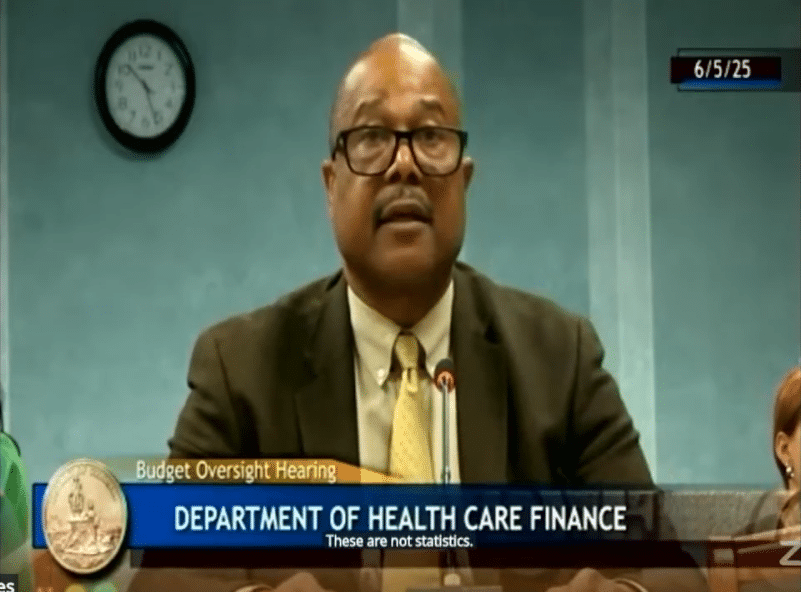
CEO George Jones Testifies on Medicaid Changes and Alliance Cuts
"Let’s ensure every resident can access the care they need to live with dignity and health."